kubota l2501 owners manual
Kubota L2501 Owners Manual: A Comprehensive Guide
Welcome! This comprehensive guide unlocks the full potential of your Kubota L2501, offering detailed instructions for operation, maintenance, and troubleshooting. It’s designed for easy navigation and understanding, ensuring years of reliable performance from your tractor.
Congratulations on selecting the Kubota L2501, a versatile and dependable compact tractor designed for a wide range of tasks. This manual serves as your primary resource for understanding and operating this powerful machine effectively and safely. The L2501 boasts a robust design, combining Kubota’s renowned engine technology with a user-friendly interface.
This introduction provides a foundational overview of the L2501’s capabilities and highlights the importance of adhering to the safety guidelines detailed throughout this manual. Whether you’re a seasoned tractor operator or new to the world of compact machinery, this guide will equip you with the knowledge needed to maximize your L2501’s performance and longevity.
Specifically, this manual covers a model with a manual transmission, offering precise control and efficient power transfer. Familiarizing yourself with the operator station, controls, and routine maintenance procedures will ensure a seamless and productive experience. We’ve included detailed specifications and troubleshooting tips to address common issues, helping you keep your L2501 running smoothly for years to come. Remember to always refer to this manual before performing any maintenance or operation.
Safety Precautions and Guidelines
Prioritizing safety is paramount when operating the Kubota L2501. This section outlines crucial precautions to prevent accidents and ensure the well-being of yourself and others. Always read and understand these guidelines before operating the tractor. Never allow untrained individuals to operate the machine.
Key safety measures include wearing appropriate personal protective equipment (PPE) – safety glasses, sturdy footwear, and hearing protection are essential. Be acutely aware of your surroundings, ensuring no people or obstacles are within the operating radius. Before starting, thoroughly inspect the tractor for any damage or loose parts.
Never operate the L2501 under the influence of drugs or alcohol. Always disengage the PTO and lower implements to the ground before performing any maintenance. Exercise extreme caution when working on slopes or uneven terrain. Regularly inspect and maintain safety devices, such as roll-over protection structures (ROPS), seat belts, and warning labels. Familiarize yourself with emergency shutdown procedures. Ignoring these guidelines can lead to serious injury or property damage. Always consult the full manual for comprehensive safety information.
Understanding the L2501 Specifications
The Kubota L2501 is a compact utility tractor designed for versatility and performance. Understanding its core specifications is crucial for optimal operation and maintenance. This model features a robust Kubota V3307-DI E-CDIS diesel engine, delivering reliable power for a variety of tasks.
Key specifications include an engine horsepower of approximately 24.9 HP, and a displacement of 1.8L. The tractor boasts a hydrostatic transmission, providing smooth and efficient operation. Its lifting capacity at the three-point hitch is around 1,764 lbs, enabling it to handle a wide range of implements.
The L2501’s overall weight is approximately 2,665 lbs, contributing to its stability. Dimensions are important for maneuvering in tight spaces; overall length is around 108.7 inches. Fuel tank capacity is 7.9 gallons, providing extended run times. These specifications, combined with Kubota’s renowned build quality, make the L2501 a dependable workhorse. Refer to the complete owner’s manual for a detailed breakdown of all specifications and performance data.
Engine Overview: V3307-DI E-CDIS
The Kubota V3307-DI E-CDIS engine is the heart of the L2501, a 3-cylinder, liquid-cooled diesel engine renowned for its durability and fuel efficiency. “DI” signifies Direct Injection, a system that enhances combustion and power output. The “E-CDIS” denotes Kubota’s advanced Common Rail Diesel Injection System, optimizing fuel delivery for cleaner emissions and improved performance.
This engine boasts a displacement of 1.8 liters and delivers a maximum net horsepower of approximately 24.9 HP. It features a robust construction, designed for long-term reliability even under demanding conditions. Regular maintenance, as outlined in the owner’s manual, is crucial for preserving engine performance.
Key components include a high-pressure fuel pump, electronically controlled injectors, and a sophisticated engine management system. Understanding the engine’s layout and function is vital for proper troubleshooting and repair. Always use Kubota-approved parts and fluids to ensure optimal engine operation and longevity. The V3307-DI E-CDIS is a testament to Kubota’s commitment to engineering excellence.
Transmission System: Manual Transmission Details
The Kubota L2501 typically features a fully synchronized manual transmission, offering operators precise control and efficient power transfer. This system generally includes 8 forward and 8 reverse gears, providing a wide range of speeds for various applications. The transmission is designed for durability and ease of use, contributing to the L2501’s versatility.
Understanding the gear shift pattern is essential for smooth operation. The manual transmission allows for direct mechanical connection between the engine and the wheels, maximizing power delivery. Regular inspection of transmission fluid levels is crucial, ensuring proper lubrication and preventing premature wear.
Operators should familiarize themselves with the clutch operation and gear selection procedures detailed in the owner’s manual. Proper shifting techniques minimize stress on the transmission components. Maintaining the correct transmission fluid, as specified by Kubota, is vital for optimal performance and longevity. This robust system contributes significantly to the L2501’s overall reliability and efficiency.
Hydraulic System Operation
The Kubota L2501’s hydraulic system is a cornerstone of its functionality, powering implements and providing essential lifting capabilities. This system typically utilizes a robust pump, reservoir, valves, and cylinders to deliver fluid power efficiently. Understanding its operation is key to maximizing the tractor’s versatility.
The hydraulic system operates using hydraulic fluid, which transmits force to raise, lower, and control attached implements. The L2501 commonly features a three-point hitch, controlled hydraulically, allowing for easy attachment and operation of various tools. Regular checks of the hydraulic fluid level are crucial for preventing damage and ensuring optimal performance.
Operators should familiarize themselves with the location of hydraulic filters and the recommended replacement intervals. Maintaining clean hydraulic fluid is paramount for protecting the system’s components. Proper operation includes avoiding excessive strain on the system and following the guidelines outlined in the owner’s manual for safe and efficient use of hydraulic-powered implements.

Steering and Braking Systems
The steering and braking systems of the Kubota L2501 are critical for safe and controlled operation. The L2501 typically employs a hydrostatic steering system, offering responsive and precise maneuverability. Regular inspection of steering linkages and fluid levels is essential for maintaining optimal performance.
The braking system generally consists of independent rear brakes, providing reliable stopping power. Operators should be familiar with the brake pedal operation and understand the importance of proper adjustment to ensure even braking. Routine checks for brake wear and fluid leaks are vital for safety.
Understanding the interplay between steering and braking is crucial, especially when operating on slopes or uneven terrain. Avoid sudden or harsh braking, which can lead to loss of control. The owner’s manual provides detailed instructions on system maintenance, including brake adjustments and fluid replacement procedures. Prioritizing these checks ensures a safe and productive operating experience with your Kubota L2501.

Operator Station and Controls
The operator station of the Kubota L2501 is designed for comfort and intuitive control. Familiarization with all controls is paramount before operation. Key components include the steering wheel, throttle lever, transmission selector, and various switches for auxiliary functions.
The seat is typically adjustable to accommodate different operator sizes, ensuring a comfortable and ergonomic position. The instrument panel displays vital information such as engine hours, fuel level, and coolant temperature. Understanding these indicators is crucial for monitoring tractor performance.
Safety features, like the seat switch which disables the engine when unoccupied, are integrated into the operator station. The manual details the location and function of each control, emphasizing safe operating practices. Proper adjustment of the seat and mirrors optimizes visibility and control. Mastering the layout of the operator station enhances efficiency and minimizes operator fatigue during extended use.
Starting and Stopping Procedures
Starting the Kubota L2501 requires a systematic approach to ensure safe and reliable operation. Before attempting to start, confirm the parking brake is engaged, the transmission is in neutral, and the operator is securely seated. Turn the ignition key to the ‘ON’ position, allowing the fuel system to prime.
Following the pre-glow sequence (if applicable, particularly in colder temperatures), turn the key further to the ‘START’ position; Release the key immediately upon engine ignition. Allow the engine to warm up before applying a load. Stopping the L2501 involves disengaging the PTO (if engaged), lowering any attached implements, and allowing the engine to idle for a few minutes to cool down.
Shift the transmission into neutral, apply the parking brake, and turn the ignition key to the ‘OFF’ position. Always remove the key to prevent unauthorized use. Following these procedures consistently will prolong engine life and maintain operational safety. Refer to the manual for detailed illustrations and specific instructions related to your model year.
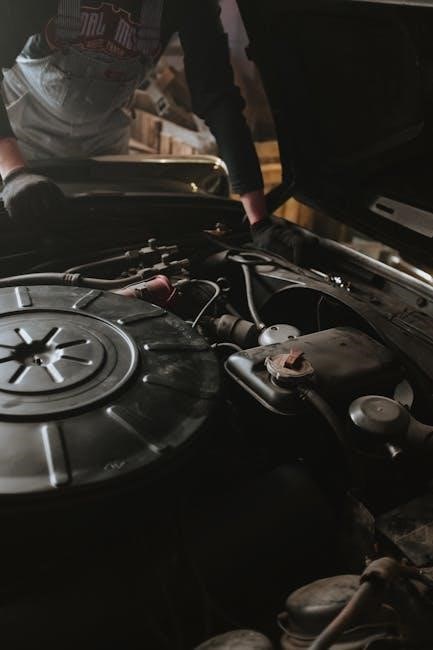
Routine Maintenance Schedule
Maintaining your Kubota L2501 is crucial for longevity and optimal performance. A consistent routine prevents costly repairs and ensures reliable operation. Daily checks include inspecting fluid levels (engine oil, coolant, hydraulic fluid), tire pressure, and looking for any visible leaks or damage.

Every 50 hours, clean the air filter, fuel filter, and radiator core. Check and tighten all bolts and nuts. Every 250 hours, change the engine oil and filter, fuel filter, and hydraulic fluid. Inspect and adjust valve clearances. Annually, replace the coolant, inspect the battery, and lubricate all grease fittings.
Every 500 hours, a more comprehensive inspection is recommended, including checking the transmission and differential oil. Refer to the detailed schedule within the owner’s manual for specific intervals and procedures tailored to your usage conditions. Adhering to this schedule will maximize the lifespan of your Kubota L2501.

Fuel System Maintenance
Proper fuel system maintenance is vital for the reliable operation of your Kubota L2501. Regularly inspect the fuel tank for contamination and ensure the fuel cap seals tightly to prevent moisture and debris from entering. Daily pre-operation checks should include a visual inspection of fuel lines for cracks or leaks.
Every 250 hours of operation, or at least annually, replace the fuel filter. A clogged fuel filter restricts fuel flow, leading to reduced engine performance and potential damage. Drain any water that may have accumulated in the fuel tank, especially during periods of fluctuating temperatures. Use only clean, fresh diesel fuel.
Periodically inspect the fuel injection lines and connections for tightness and damage. Avoid using fuel additives unless specifically recommended by Kubota. Following these guidelines will help maintain a clean and efficient fuel system, ensuring optimal engine performance and extending the life of your L2501.

Cooling System Maintenance
Maintaining the cooling system is crucial for preventing overheating and ensuring the longevity of your Kubota L2501’s engine. Regularly inspect the coolant level in the radiator and expansion tank, adding coolant as needed to maintain the proper level. Use only Kubota-approved coolant to prevent corrosion and maintain optimal heat transfer.
Every 250 hours of operation, or annually, check the radiator cap for proper sealing and replace it if damaged. Inspect the radiator hoses for cracks, leaks, or swelling, replacing them immediately if any issues are found. Clean the radiator fins of any debris, such as dirt, leaves, or insect nests, to ensure adequate airflow.
Periodically check the water pump for leaks or unusual noises. A failing water pump can lead to rapid overheating. Flush the cooling system every 500 hours or every two years to remove sediment and maintain efficient cooling. Proper cooling system maintenance will safeguard your engine from damage and ensure reliable performance.
Lubrication Guide
Proper lubrication is paramount for extending the life of your Kubota L2501 and ensuring smooth operation; Regularly check the engine oil level using the dipstick, adding Kubota-approved oil as needed to maintain the correct level. Change the engine oil and oil filter every 50 hours of operation, or more frequently in dusty conditions;

Grease all lubrication points – including the steering linkage, front axle, and implement hitch – every 25 hours of operation. Use a high-quality lithium-based grease designed for heavy-duty applications. Inspect grease fittings for damage and replace them if necessary. Ensure grease is applied until fresh grease appears, expelling old grease.
Check the hydraulic fluid level regularly and top up with Kubota-approved hydraulic oil if needed. Change the hydraulic fluid and filter every 1000 hours of operation. Lubricating all moving parts reduces friction, minimizes wear, and prevents costly repairs, contributing to the long-term reliability of your L2501.

Tire Maintenance and Pressure
Maintaining correct tire pressure is crucial for optimal performance, traction, and tire longevity on your Kubota L2501. Check tire pressure frequently – ideally before each use – using a reliable tire pressure gauge. Refer to the tire sidewall or the Kubota L2501 operator’s manual for the recommended pressure for your specific tire size and application.
Under-inflated tires can lead to reduced traction, increased fuel consumption, and premature tire wear. Over-inflated tires can result in a harsh ride and decreased stability. Inspect tires regularly for cuts, bulges, or other damage. Replace damaged tires immediately to prevent accidents.
Rotate tires periodically to ensure even wear. Consider tire ballast – adding weight to the tires – to improve traction and stability, especially when operating on uneven terrain or with heavy implements. Proper tire maintenance significantly enhances the safety and efficiency of your Kubota L2501.
Troubleshooting Common Issues

Encountering issues with your Kubota L2501 is sometimes unavoidable, but many problems can be resolved with basic troubleshooting. If the engine fails to start, check the fuel level, battery connections, and ensure the safety interlock switch is engaged. Low hydraulic pressure could indicate a leak, clogged filter, or insufficient fluid – inspect these components carefully.
Unusual noises often signal a mechanical problem. Listen carefully to pinpoint the source and consult the manual for potential causes. Overheating can stem from a faulty cooling system, low coolant levels, or a blocked radiator. Address overheating immediately to prevent engine damage.
Refer to the diagnostic codes section of this manual for assistance interpreting error messages. If you are unable to resolve the issue, contact a qualified Kubota dealer for professional service. Regular maintenance, as outlined in this guide, can prevent many common problems and extend the life of your L2501.
Understanding Diagnostic Codes
Kubota L2501 tractors utilize a diagnostic code system to assist in identifying and resolving mechanical or electrical issues. These codes, displayed on the instrument panel or accessed via a diagnostic tool, provide valuable clues about the nature of the problem. Understanding these codes is crucial for efficient troubleshooting and repair.
Each code consists of a letter and a number, representing a specific fault within the tractor’s systems. For example, a code indicating a sensor malfunction will differ from one signaling a hydraulic system issue. The complete list of diagnostic codes and their corresponding descriptions are detailed in a separate section of this manual.
When a code appears, record it accurately and consult the manual to determine the appropriate course of action. Some codes may require simple fixes, like tightening a connection, while others necessitate professional attention. Ignoring diagnostic codes can lead to more severe damage and costly repairs. Always prioritize addressing these alerts promptly.
Attaching and Detaching Implements
Properly attaching and detaching implements to your Kubota L2501 is essential for both operational efficiency and operator safety. Always refer to the implement’s specific instruction manual for detailed guidance, as procedures vary depending on the attachment. Before beginning, ensure the tractor is parked on a level surface with the engine off and the parking brake engaged.
The L2501 features a standard three-point hitch, allowing compatibility with a wide range of implements. Carefully align the implement’s hitch pins with the tractor’s hitch arms, ensuring a secure connection. Use appropriate locking pins and verify their proper engagement. When detaching, reverse the process, supporting the implement to prevent accidental dropping.
Always inspect the implement and hitch components for wear or damage before each use. Never exceed the tractor’s or implement’s weight capacity. Follow all safety precautions outlined in both the tractor and implement manuals to prevent injuries and equipment damage.
Warranty Information and Support
Your Kubota L2501 is backed by a comprehensive warranty, designed to provide peace of mind and protect your investment. Detailed warranty terms and conditions are outlined in the separate warranty document included with your tractor. Please review this document carefully to understand coverage specifics, limitations, and required maintenance procedures.
Kubota offers extensive support through a network of authorized dealerships. These dealerships provide qualified service technicians, genuine Kubota parts, and expert advice. To locate the nearest dealer, visit the Kubota USA website or contact Kubota customer service. They can assist with warranty claims, repairs, and routine maintenance scheduling.
Kubota also provides online resources, including frequently asked questions, troubleshooting guides, and parts diagrams. For immediate assistance, utilize the Kubota customer support hotline. Remember to have your tractor’s serial number readily available when contacting support or scheduling service.