occupational therapy hand exercises pdf
Article Plan: Occupational Therapy Hand Exercises PDF
This article details a comprehensive guide to utilizing PDF resources for occupational therapy hand exercises, covering rehabilitation for various conditions and age groups.

Occupational therapy (OT) plays a crucial role in restoring hand function after injury, illness, or surgery. It’s a personalized approach, focusing on regaining independence in daily life through targeted exercises and adaptive strategies. Hand rehabilitation isn’t simply about strength; it encompasses range of motion, dexterity, and the ability to perform meaningful activities.
PDF resources offering structured hand exercise programs are invaluable tools for both therapists and patients. These PDFs often provide detailed instructions, illustrations, and progression guidelines. They cater to diverse conditions like rheumatoid arthritis, Dupuytren’s contracture, and post-tendon repair, offering tailored exercise protocols. OT emphasizes occupation-based therapy, integrating exercises into everyday tasks for optimal functional recovery.
Understanding the Importance of Hand Exercises
Hand exercises are fundamental to rehabilitation, combating stiffness, pain, and weakness. Consistent exercise improves flexibility, range of motion, dexterity, and grip strength – essential for everyday tasks. For conditions like rheumatoid arthritis, exercises can slow disease progression and maintain function. Following injuries, they restore tendon gliding and prevent scar tissue formation.
PDF-based exercise programs offer a convenient and accessible way to implement these vital routines. They ensure proper technique and progression, maximizing benefits while minimizing risk. Occupation-based therapy emphasizes exercises directly related to a person’s daily activities, making rehabilitation more meaningful and effective. Utilizing these resources empowers individuals to actively participate in their recovery journey.
Common Conditions Benefiting from Hand Exercises
Numerous conditions respond positively to targeted hand exercises, often detailed within occupational therapy PDFs. Rheumatoid arthritis significantly benefits from exercises maintaining joint mobility and reducing pain. Dupuytren’s contracture, causing finger curling, can be managed with stretching and extension exercises. Post-injury rehabilitation, such as after tendon repair (like a severed pinky tendon), relies heavily on regaining range of motion and strength.
These PDFs provide structured programs addressing specific impairments. They’re crucial for restoring function after trauma or managing chronic conditions. Occupation-based approaches tailor exercises to individual needs, ensuring relevance and promoting long-term independence. Consistent exercise, guided by these resources, is key to optimal hand health.
Rheumatoid Arthritis and Hand Exercises
Occupational therapy hand exercise PDFs are invaluable for individuals with rheumatoid arthritis (RA). RA causes inflammation, leading to pain, stiffness, and reduced function. Targeted exercises, often found within these PDFs, combat these effects by increasing flexibility, range of motion, dexterity, and grip strength.
These programs typically include gentle range-of-motion exercises to maintain joint mobility and prevent contractures. Strengthening exercises, adapted to individual tolerance, help support affected joints. Research suggests consistent exercise can improve hand function and quality of life for those living with RA, making these PDF resources essential tools.
Dupuytren’s Contracture Management with Exercises
Occupational therapy hand exercise PDFs offer conservative management options for Dupuytren’s contracture, a condition causing thickening and tightening of tissue in the hand. While injections and surgery are treatments, mild cases can benefit from targeted exercises detailed in these resources.
PDFs often include stretching and range-of-motion exercises designed to slow the progression of contracture and maintain hand function. These exercises aim to gently extend the affected fingers, preventing further curling. Consistent practice, guided by a PDF’s instructions, can help individuals maintain independence and manage symptoms effectively, delaying the need for more invasive interventions.
Post-Injury Hand Rehabilitation (e.g., Tendon Repair)
Occupational therapy hand exercise PDFs are crucial following injuries like tendon repairs, providing structured rehabilitation protocols. These PDFs detail progressive exercises, starting with protected range of motion and gradually increasing to strengthening activities; They are often prescribed by therapists to guide patients through the healing process at home.
A typical PDF will outline exercises to restore finger and hand function, addressing stiffness and weakness. Specific protocols depend on the injury type and surgical intervention. Following the PDF’s instructions diligently is vital for optimal recovery, preventing complications, and regaining full hand use, as illustrated by cases like severed tendons needing careful rehabilitation.
Principles of Effective Hand Exercise Programs
Effective hand exercise programs, often delivered via occupational therapy hand exercise PDFs, adhere to several key principles. Progression is paramount – starting with gentle range of motion and gradually increasing resistance and complexity. Consistency is also vital; regular exercise yields better results than sporadic efforts.
Individualization is crucial, tailoring exercises to the specific condition and patient needs. PDFs should clearly outline proper form to prevent re-injury. Occupation-based therapy, integrating exercises into daily tasks, enhances functional gains. Finally, patient education regarding pain management and recognizing limitations is essential for a safe and successful rehabilitation journey.
Key Components of a Hand Exercise PDF
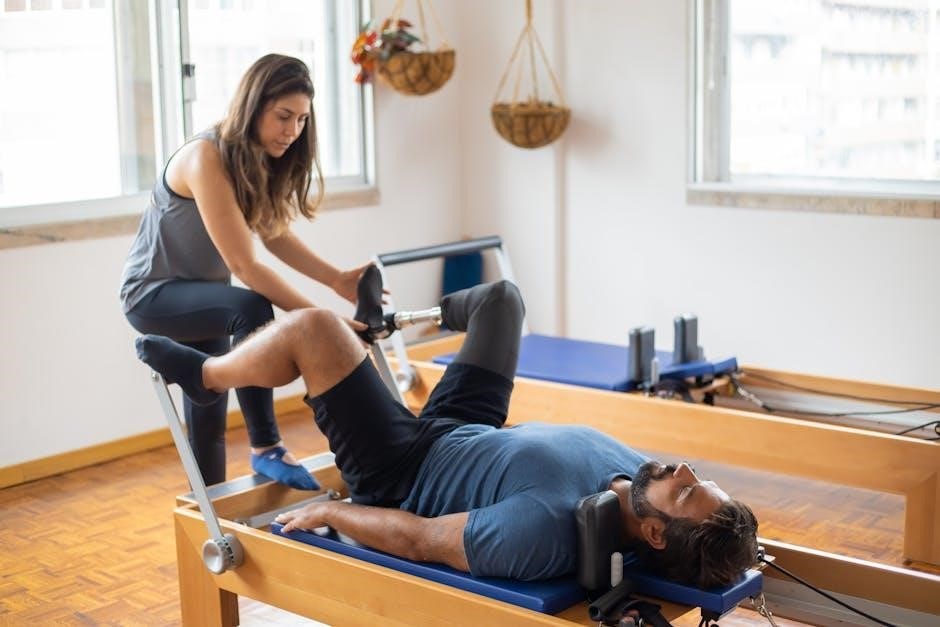
A well-structured occupational therapy hand exercise PDF should include several essential components for effective use. Clear, concise instructions accompanied by detailed illustrations or photographs are vital for proper form. The PDF must specify the frequency, duration, and repetitions for each exercise, catering to different ability levels.
Safety precautions and contraindications should be prominently displayed. A section detailing potential pain levels and when to consult a therapist is crucial. Furthermore, a progress tracking section allows patients to monitor their improvement. Finally, a statement emphasizing the importance of individualized programs and professional guidance enhances the PDF’s value.
Types of Hand Exercises Included in PDFs
Occupational therapy hand exercise PDFs commonly feature a variety of exercises categorized by their focus. Range of motion exercises aim to improve joint flexibility and reduce stiffness, crucial for conditions like rheumatoid arthritis. Strengthening exercises build muscle power, aiding grip and dexterity, often used post-injury.
Dexterity exercises enhance fine motor skills, essential for daily tasks. PDFs may also include specific exercises targeting individual finger joints – MCP, PIP, and DIP – to address localized issues. Grip strength exercises, utilizing tools or simple hand positions, are frequently included, benefiting seniors and those recovering from trauma.
Range of Motion Exercises
Hand exercise PDFs prioritize range of motion (ROM) exercises to combat stiffness and improve joint flexibility. These exercises gently move each joint through its full arc, increasing circulation and preventing contractures. Common ROM exercises include finger bends, extensions, and rotations, often performed passively with assistance initially.
PDFs detail how to perform these movements slowly and controlled, avoiding pain. They often include illustrations demonstrating proper technique. For conditions like rheumatoid arthritis, maintaining ROM is vital. These exercises are foundational, preparing the hand for more advanced strengthening and dexterity activities, ultimately enhancing functional use.
Strengthening Exercises
Occupational therapy hand exercise PDFs progressively introduce strengthening exercises after establishing a baseline range of motion. These exercises focus on rebuilding muscle strength in the hands and forearms, crucial for gripping and manipulating objects. Common examples include finger squeezes with a stress ball, wrist curls using light weights, or resistance band exercises.
PDFs often specify the number of repetitions and sets, tailoring the intensity to individual ability levels. Strengthening exercises are particularly important post-injury, like tendon repair, to restore function. They improve grip strength, enabling participation in daily activities and enhancing overall hand performance.
Dexterity Exercises
Occupational therapy hand exercise PDFs frequently incorporate dexterity exercises to refine fine motor skills and coordination. These exercises aim to improve the ability to perform precise movements, essential for tasks like writing, buttoning clothes, or handling small objects. Examples include picking up marbles, stacking cones, or manipulating putty.
PDF guides often present graded activities, starting with simpler tasks and progressing to more complex ones. Dexterity exercises are vital for individuals with rheumatoid arthritis, helping maintain hand function. They also play a key role in occupation-based therapy, integrating purposeful activities into rehabilitation.
Specific Exercises for Different Finger Joints
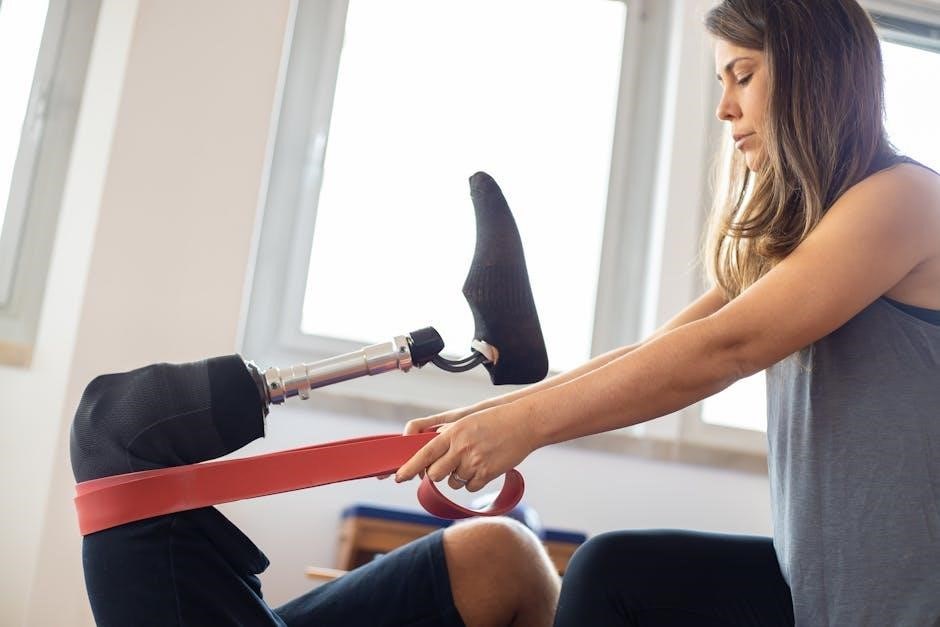
Occupational therapy hand exercise PDFs categorize exercises based on the targeted finger joints – MCP, PIP, and DIP – to address specific limitations. PDFs detail exercises for MCP joints, like gentle bending and straightening, enhancing overall hand flexibility. PIP joint exercises often involve blocking techniques to improve range of motion, crucial post-injury or with conditions like Dupuytren’s contracture.
DIP joint exercises focus on extending and flexing the fingertips, improving precision. These PDFs provide clear instructions and illustrations, ensuring correct form. Such targeted approaches are essential for personalized rehabilitation, maximizing functional recovery and empowering individuals to regain hand health.
Exercises for the MCP Joints
Occupational therapy hand exercise PDFs frequently include MCP joint mobilization techniques to combat stiffness, particularly beneficial for rheumatoid arthritis sufferers. These exercises often involve gentle bending and straightening of the knuckles, promoting a greater range of motion. PDFs demonstrate “tendon gliding” exercises, encouraging smooth tendon movement through the carpal tunnel.
Another common exercise involves making a fist and then fully extending the fingers, repeated several times. These PDFs emphasize controlled movements, avoiding pain. Strengthening exercises, like pressing the fingers against resistance, are also included, building hand strength and function.
Exercises for the PIP Joints
Occupational therapy hand exercise PDFs commonly feature exercises targeting the Proximal Interphalangeal (PIP) joints to restore function after injury or manage conditions like Dupuytren’s contracture. These often include gentle bending and straightening of the middle knuckles, improving flexibility. Block exercises, where fingers bend to a point and hold, are frequently demonstrated.
PDFs illustrate “intrinsic plus” exercises, strengthening small hand muscles crucial for finger extension. Splinting protocols, often detailed within the PDFs, support PIP joint extension. Emphasis is placed on slow, controlled movements to prevent further injury. Strengthening exercises using therapy putty are also common, building endurance and dexterity.
Exercises for the DIP Joints
Occupational therapy hand exercise PDFs dedicate sections to Distal Interphalangeal (DIP) joint exercises, vital for full finger extension and function, particularly after tendon repairs. These PDFs often showcase exercises involving gentle bending and straightening of the fingertip joints, improving range of motion.
Exercises frequently include buddy taping, stabilizing adjacent fingers to assist with DIP joint movement. Resistance band exercises, detailed with clear illustrations, build strength. PDFs emphasize the importance of maintaining a neutral wrist position during these exercises. Splinting protocols are often included to promote extension and prevent contractures, aiding recovery and daily task performance.
Grip Strength Exercises
Occupational therapy hand exercise PDFs prominently feature grip strength exercises, crucial for functional independence and daily living tasks. These PDFs detail various exercises, starting with simple ones like ball squeezes using soft therapy balls, progressing to more challenging activities.
They often include exercises utilizing putty, providing adjustable resistance for strengthening. PDFs demonstrate pinch strength exercises, essential for manipulating small objects. Chair exercises, specifically designed for seniors, are frequently included, focusing on functional grip. Progressive resistance is a key principle, with PDFs outlining how to gradually increase difficulty.
Occupational Therapy’s Role in Exercise Prescription
Occupational therapists (OTs) are uniquely positioned to prescribe hand exercises, as they focus on functional outcomes and participation in meaningful activities. Unlike general exercise recommendations, OT-driven PDFs tailor exercises to an individual’s specific needs and occupational goals.

OTs consider the whole person, adapting exercises based on injury type, severity, and the patient’s daily routines. PDFs created by OTs emphasize occupation-based therapy, integrating exercises into simulated real-life tasks. They ensure safety and proper form, preventing re-injury.
OTs also educate patients on self-management and home exercise programs, utilizing PDFs as a valuable resource.
Finding Reliable Occupational Therapy Hand Exercise PDFs
Locating trustworthy hand exercise PDFs requires careful consideration. Prioritize resources from accredited occupational therapy organizations, hospitals, or university medical centers. Look for PDFs authored or reviewed by registered occupational therapists (OTRs). Beware of generic exercise guides lacking individualized guidance.
Reputable PDFs will clearly state the target condition, exercise instructions with illustrations, and safety precautions. Check for disclaimers advising consultation with a healthcare professional before starting any new exercise program.
Avoid PDFs promoting unproven treatments or lacking professional credentials. Online directories of occupational therapists can also lead to reliable resources.
Safety Considerations When Performing Hand Exercises
Prioritizing safety is crucial when undertaking hand exercises from any PDF resource. Always begin with a gentle warm-up to prepare muscles and joints. Stop immediately if you experience sharp pain, increased swelling, or numbness. Listen to your body and avoid pushing beyond your comfort level.
Ensure proper form to prevent injury; refer to illustrations carefully. Modify exercises as needed based on your individual limitations. Consult with an occupational therapist before starting if you have underlying health conditions or recent injuries.
Maintain a comfortable environment and avoid distractions during exercise.
Adapting Exercises for Different Ability Levels
Occupational therapy hand exercise PDFs should ideally offer modifications for varying abilities. Individuals with limited range of motion may benefit from assisted exercises or reduced repetitions. Those with weaker grip strength can utilize adaptive equipment like built-up handles or assistive devices.
Progressive overload is key – gradually increase resistance or complexity as strength improves. Simplify exercises by reducing the number of finger joints involved or shortening the range of motion.
Remember, personalization is vital; an OT can tailor a program to specific needs and ensure safe, effective progression.
Integrating Hand Exercises into Daily Activities
Effective occupational therapy emphasizes incorporating hand exercises into everyday routines. A PDF guide should encourage this approach, suggesting ways to practice skills during tasks like cooking, dressing, or gardening.
For example, opening jars can strengthen grip, while buttoning shirts improves dexterity. Utilizing occupation-based therapy, meaningful activities become therapeutic opportunities.
This integration promotes functional improvements and increases adherence to the exercise program. The goal is to make rehabilitation seamless and relevant, fostering long-term hand health and independence.
Pediatric Occupational Therapy Hand Exercises
A dedicated section within an occupational therapy hand exercise PDF should address pediatric needs. Children often require playful, motivating exercises to develop fine motor skills and hand strength.
These exercises might include activities like playing with playdough, building with blocks, or stringing beads. The PDF should offer age-appropriate modifications and suggestions for adapting exercises to address specific challenges.
Resources from centers like In-Sync Pediatric Therapy can inform content, ensuring exercises are developmentally appropriate and engaging, fostering positive outcomes for young patients.
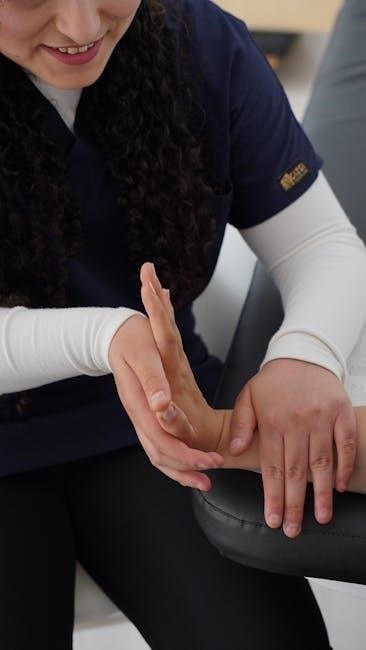
Chair Exercises for Grip Strength (for Seniors)
Occupational therapy hand exercise PDFs should include a section dedicated to chair-based exercises for seniors, promoting accessibility and safety. As individuals age, maintaining grip strength is crucial for independence in daily tasks.
A PDF can detail routines designed by certified professionals like CPT Tyler Read, focusing on simple, effective exercises performed while seated. These might include squeezing a stress ball, finger extensions, or wrist curls using light weights.
Clear instructions and modifications are vital, ensuring exercises are suitable for varying ability levels and minimizing the risk of injury.
The Role of Occupation-Based Therapy
Occupational therapy hand exercise PDFs should emphasize the core principle of occupation-based therapy: integrating exercises into meaningful daily activities. This approach moves beyond isolated movements, focusing on improving hand function for real-life tasks.

A quality PDF will demonstrate how exercises directly relate to activities like cooking, dressing, or gardening, enhancing motivation and functional outcomes. It leverages purposeful tasks, as highlighted by interventions in specialized approaches.
The PDF should explain how therapists personalize exercise programs based on an individual’s occupations and goals, promoting engagement and long-term success.
Measuring Progress and Tracking Results
Effective occupational therapy hand exercise PDFs should incorporate methods for tracking progress and demonstrating improvement. This includes suggested assessment tools and quantifiable measures to monitor changes in grip strength, range of motion, and dexterity.
The PDF might include printable tracking sheets or recommend specific standardized tests. Regularly documenting improvements—even small ones—motivates patients and validates the effectiveness of the exercise program.
Clear instructions on how to interpret results and communicate them to a therapist are crucial for continued care and program adjustments, ensuring optimal hand health outcomes.
Occupational therapy hand exercise PDFs represent a powerful tool for self-management and improved hand function. Access to well-designed PDFs, coupled with guidance from a qualified occupational therapist, empowers individuals to actively participate in their rehabilitation journey.
These resources facilitate consistent exercise routines, promoting flexibility, strength, and dexterity, ultimately enhancing daily living skills and overall quality of life.
By integrating occupation-based therapy principles, these PDFs encourage meaningful engagement, fostering independence and a renewed sense of control over hand health.