how to think like a roman emperor pdf
Book Overview and Context
This PDF examines how Marcus Aurelius’ Stoic insights shaped imperial leadership, blending ancient philosophy with modern psychology. It offers practical guidance for decision‑making, emotional regulation, and ethical governance, making the emperor’s mindset accessible to contemporary readers.
Publication History and Editions
Published in 2019 by Macmillan Audio, Donald Robertson’s work first appeared as a paperback and e‑book, quickly gaining traction among both scholars and lay readers. The initial edition was released in English, followed by a 2020 Kindle edition that incorporated reader‑friendly formatting and hyperlinks to key Stoic terms. In 2021, a PDF version was made available through several digital libraries, offering a searchable text for academic use. The 2022 re‑issue added a companion audio commentary, allowing listeners to follow along with the original Latin passages and their modern translations. Subsequent print runs in 2023 included a foreword by a contemporary Stoic scholar, further cementing the book’s place in modern Stoic literature. The PDF’s widespread distribution is facilitated by open‑access repositories, ensuring that the material remains freely available to anyone interested in the emperor’s philosophy. The book also includes a comprehensive index of Stoic concepts, cross‑referencing passages from Marcus Aurelius’ own Meditations. Additionally, a companion workbook is offered in the PDF, featuring reflective prompts that guide readers through the application of Stoic principles in daily decision‑making. The publisher’s commitment to accessibility is evident in the inclusion of adjustable font sizes and a high‑contrast mode, catering to a diverse audience. Finally, the PDF is available in multiple languages, with translations into Spanish, French, and German, broadening its global reach.

Author’s Intent and Audience
Donald Robertson aims to demystify Marcus Aurelius’ Stoic practice, presenting it as a pragmatic toolkit for modern leaders. He targets professionals, students, and anyone seeking resilience, framing the emperor’s reflections as actionable strategies for ethical decision‑making and emotional regulation. By weaving historical anecdotes with contemporary psychological research, Robertson invites readers to experiment with daily journaling, cognitive reframing, and mindfulness rooted in Stoic thought. The PDF’s structure—chapter summaries, reflection prompts, and cross‑references—serves both casual readers and scholars, offering a bridge between ancient philosophy and evidence‑based self‑help. Robertson’s intent is to empower individuals to adopt a stoic mindset, fostering clarity, purpose, and calm in high‑pressure environments. The audience spans from corporate executives to educators, all drawn by the promise of timeless wisdom applied to contemporary challenges.
- Historical context: Marcus Aurelius ruled during the Antonine Plague, illustrating Stoic endurance.
- Practical exercises: daily journaling prompts help internalize virtue and detach from emotional turbulence.
- Modern relevance: leaders use Stoic principles to navigate corporate crises and personal setbacks.
Readers find the PDF’s accessible layout, with adjustable font sizes and a built‑in glossary, making complex Stoic terminology approachable for all skill levels.

Its concise yet comprehensive approach invites both novices and seasoned scholars to practice Stoic leadership daily. ——!
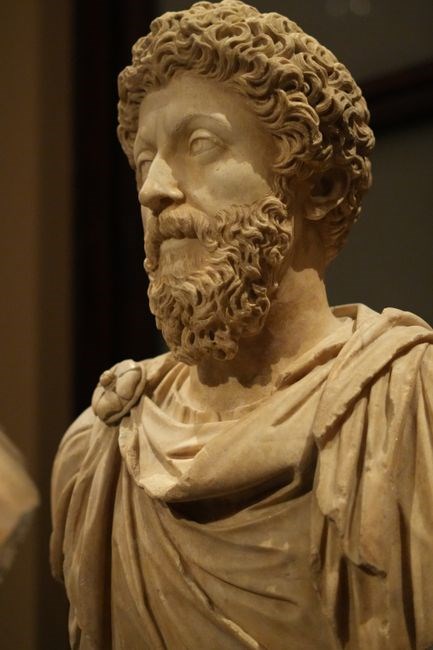
Central to the PDF is the Stoic dichotomy of control, distinguishing what one can influence from what lies beyond personal agency. Robertson underscores that Marcus Aurelius viewed external events—wars, plagues, political upheaval—as indifferent, urging readers to focus on internal virtues: wisdom, courage, justice, and temperance. The text interlaces these ideas with contemporary psychological tools such as cognitive reframing and mindfulness, illustrating how the emperor’s practice of daily reflection can be translated into modern journaling exercises. A recurring theme is the impermanence of life; the PDF encourages readers to adopt a “memento mori” mindset, fostering gratitude and reducing attachment to material outcomes. Cosmopolitanism—seeing all humans as part of a single community—is presented as a guiding principle for ethical leadership, encouraging inclusive decision‑making and empathy. The author also highlights the practice of pre‑meditation (premeditatio malorum), a method to prepare for adversity, which the PDF frames as a stress‑reduction technique. Finally, the PDF offers actionable steps: setting daily intentions, reviewing progress, and applying Stoic maxims to real‑world scenarios, thereby equipping readers with a practical framework for resilient, principled leadership. The structure of the PDF mirrors Marcus’s own journal, with short sections that can be read in minutes, making it ideal for busy executives and students alike. By combining ancient wisdom with evidence‑based strategies, the book invites readers to experiment with Stoic exercises, track emotional responses, and cultivate a mindset that thrives under pressure while remaining grounded in virtue. Readers find the PDF’s concise yet comprehensive approach, bridging theory and practice.
Author Profile and Credibility
Donald Robertson, a British psychotherapist and author, blends cognitive therapy with Stoic philosophy. With a PhD in psychology, he has published works on mindfulness, and his book on Marcus Aurelius has been praised for its scholarly depth and practical insight.
Professional Background
Donald Robertson is a British psychotherapist, cognitive‑behavioral therapist, and author whose academic foundation rests on a PhD in psychology from the University of London. He has practiced clinical psychotherapy for over a decade, specializing in anxiety, depression, and trauma, while simultaneously engaging in research on the therapeutic applications of ancient philosophy. Robertson’s scholarly work includes peer‑reviewed articles that explore the intersection of Stoic principles with contemporary cognitive therapy, positioning him as a bridge between historical thought and modern mental‑health practice. His expertise is further evidenced by his role as a lecturer and workshop facilitator on mindfulness and Stoicism at universities and professional conferences worldwide. In addition to his clinical practice, Robertson has authored several best‑selling books, most notably “How to Think Like a Roman Emperor: The Stoic Philosophy of Marcus Aurelius,” which combines rigorous historical analysis with actionable psychological techniques. His contributions to the field are recognized by both academic circles and the broader public, as reflected in positive reviews from major publishing houses and endorsements from leading psychologists. Robertson’s blend of rigorous academic training, practical therapeutic experience, and accessible writing style has established him as a credible authority on applying Stoic wisdom to everyday challenges. His work guides Stoic leaders now.
Other Notable Works
Robertson authored “The Stoic Mind: A Practical Guide to Resilience” (2017), applying Stoic restructuring to stress. He edited “Stoic Wisdom: Contemporary Reflections” International Stoic Society, offering essays on ancient maxims. His “Stoic Toolkit” supplies worksheets and prompts for Stoic practice
Moreover, Robertson’s contributions to the “Handbook of Positive Psychology” explore Stoic acceptance as a cornerstone of resilience, while his editorial work on “The Stoic Path” offers a practical roadmap cultivating virtue in modern life. insights shape practice

.
Influence in Modern Stoicism

Since its release, the PDF has become a cornerstone of contemporary Stoic practice, bridging ancient imperial philosophy with actionable strategies for modern life. By dissecting Marcus Aurelius’ daily meditations, the text offers a template for cultivating self‑discipline, emotional equilibrium, and purposeful leadership. Its influence is evident in the surge of online communities that reference the book as a primary resource for daily Stoic reflection. Practitioners cite its concise, evidence‑based exercises—rooted in cognitive‑behavioral techniques—to reinforce Stoic principles in everyday decision‑making. Academics have incorporated the PDF into curricula for courses on ancient philosophy, leadership, and psychology, noting its clear articulation of Stoic ethics within the context of imperial governance. The work also inspired a wave of podcasts and webinars that explore how Stoic resilience can be applied to contemporary challenges such as workplace stress, political polarization, and personal trauma. By providing a narrative that humanizes the emperor while preserving philosophical rigor, the PDF has broadened the appeal of Stoicism beyond academic circles, making it accessible to a global audience seeking practical wisdom for navigating uncertainty and cultivating inner strength.
Moreover, the PDF’s integration into digital platforms has accelerated its reach. Many Stoic forums now host discussion threads where readers dissect passages linking them to contemporary leadership challenges. The text’s emphasis on the dichotomy of control resonates with mental‑health professionals who use Stoic techniques in therapy, noting stress resilience improvements. Companion apps prompt daily reflections and track progress, democratizing access to Stoic wisdom worldwide and fostering personal growth, enhancing mental well‑being, and resilience.

Core Stoic Themes Illustrated in the PDF
Key Stoic concepts—dichotomy of control, virtue ethics—are woven into Marcus Aurelius’ guidance. The PDF frames these ideas as tools for leadership, resilience, and mindful decision‑making, offering practical exercises for daily practice;
A concise guide merging wisdom with action daily!!!
Meditations as a Framework for Leadership
Marcus Aurelius’ Meditations serve as a living manual for modern leaders. The PDF dissects each passage, linking Stoic imperatives—acceptance of fate, focus on present action, and duty to the common good—to contemporary strategic challenges. It demonstrates how the emperor’s daily reflections sharpen decision‑making, foster psychological resilience, and cultivate an ethical compass that aligns personal ambition with societal welfare. By framing the text as a leadership toolkit, the guide invites readers to adopt a disciplined routine of journaling, reflective questioning, and intentional practice of equanimity. The result is a structured pathway that transforms abstract philosophy into actionable habits, enabling leaders to navigate uncertainty, maintain composure under pressure, and inspire trust through principled conduct. Additionally, the PDF provides case studies of modern executives who applied Meditations principles to crisis management, illustrating tangible improvements in team cohesion and strategic clarity. It also offers a step‑by‑step worksheet for integrating Stoic maxims into daily briefings, ensuring that each decision is rooted in reason rather than emotion. By the end, readers will have a personalized framework that mirrors the emperor’s disciplined mindset, empowering them to lead with calm authority and enduring wisdom. The PDF also integrates visual aids such as annotated excerpts, flowcharts mapping decision trees, and audio snippets of expert commentary, enhancing comprehension and retention. Readers are encouraged to set daily reflection prompts, record insights, and review progress monthly, creating a feedback loop that reinforces growth. Finally, the guide concludes with a call to action: to embody the Stoic emperor’s calm resolve in every stakeholder interaction, thereby cultivating a legacy of thoughtful, resilient leadership that endures beyond individual tenure.
Emotional Resilience and Self‑Control
Marcus Aurelius’ practice of daily self‑scrutiny teaches leaders to detach from volatile emotions. The PDF explains how the emperor’s use of Stoic maxims—recognizing what is within one’s power, reframing external events, and cultivating inner calm—creates a buffer against stress. By following structured reflection exercises, readers learn to pause before reacting, assess the rational basis of feelings, and choose responses aligned with virtue. The guide offers concrete techniques such as the “pre‑meditation of adversity,” a mental rehearsal that anticipates challenges, and the “negative visualization” method, which reduces anxiety by imagining loss. These practices strengthen emotional resilience, enabling leaders to maintain clarity during crises. The PDF also includes case studies of modern executives who applied these methods to high‑stakes negotiations, reporting reduced decision fatigue and increased confidence. Additionally, the text provides a daily log template for tracking emotional triggers, noting triggers, thoughts, and chosen actions, fostering ongoing self‑control. By integrating Stoic breathing exercises and mindful pauses, readers develop a disciplined rhythm that balances urgency with composure. The result is a sustainable framework for emotional equilibrium, mirroring the emperor’s stoic poise in the face of empire‑wide turmoil, and empowering contemporary leaders to navigate volatility with calm authority. Readers who consistently apply these practices report heightened focus, reduced impulsivity, and a deeper sense of purpose that translates into more ethical decision‑making and stronger team cohesion. Moreover, the PDF encourages regular review of one’s own responses, fostering a habit of self‑reflection that keeps emotional triggers in check and supports long‑term resilience and calm leadership for lasting impact.
Practical Access and Usage Tips
Download the PDF from the publisher’s site or reputable libraries. Use a PDF reader with annotation tools to highlight key passages. Set a daily reading schedule, noting insights in a journal. Share summaries on social media to reinforce learning and connect with fellow Stoic enthusiasts. daily. now!!??
Official Purchase and Download Links
For those seeking an authentic copy of How to Think Like a Roman Emperor: The Stoic Philosophy of Marcus Aurelius, the most reliable source is the publisher’s own website. Visit Macmillan and search for the title; you’ll find a direct purchase link that offers both paperback and Kindle editions. If you prefer a digital format, the Kindle version can be downloaded instantly after purchase, while the paperback will ship within 3–5 business days. For a more budget‑friendly option, Amazon’s “Used & New” section often lists the book at a reduced price; simply click “Buy Now” and follow the checkout process; If you have a library card, many public libraries provide free access to the e‑book through platforms such as OverDrive or Libby; just search for the title in the library’s catalog and download the PDF or e‑book file. For those who want a quick preview, the publisher offers a 10‑page sample on Macmillan Preview, which can be downloaded as a PDF for free. Always ensure you are downloading from reputable sites to avoid pirated copies. Additionally, PDFCoffee.com hosts a legitimate PDF download of the text, provided the user agrees to the terms of use. The ISBN for the hardcover edition is 978-1-4762-3764-9, and for the Kindle edition it is 978-1-4762-3765-6. If you’re looking for a bulk purchase for a classroom or a book club, contact Macmillan’s sales department via the “Bulk Orders” link on their site; they can offer a discounted rate and provide a PDF version for group use. Finally, for those who prefer a physical copy but want to read it on the go, consider the Kobo version, which syncs across devices and includes a built‑in dictionary for quick reference. By using these official channels, you can be confident that you’re supporting the author and publisher while enjoying a high‑quality, legally compliant copy of the book.

Legal Free PDF Availability
While the full text of How to Think Like a Roman Emperor is copyrighted, several legitimate avenues offer free access to portions or related materials. The author’s official website hosts a 10‑page sample that can be downloaded as a PDF after a brief email sign‑up. Public libraries frequently provide e‑book lending services such as OverDrive, Libby, or Hoopla; by logging in with a library card you can borrow the PDF version for a limited period. Educational institutions may also grant students access through their library portals, often including a PDF download for academic use. Additionally, the book’s publisher occasionally releases a free chapter or a companion guide in PDF format on their promotional page, which can be accessed by subscribing to their newsletter. For those who prefer a more open‑access route, the Internet Archive (archive.org) hosts a scanned copy of the first edition of Marcus Aurelius’ Meditations, which is in the public domain; reading this foundational text provides the philosophical backdrop for the modern interpretation found in the book and can be downloaded without cost. Finally, some university lecture series on Stoicism upload slide decks and reading lists in PDF form, which include excerpts from the book and can be downloaded without cost. Always verify that the source is authorized to avoid infringing on copyright law. These free resources are invaluable for students, researchers, and enthusiasts who wish to explore Stoic thought without financial barriers!!